
After several years of learning, I will share a few things (habits/notes) with you to help retrain our brains. Some of these things we were taught as a kid and might not be the best way to handle it. Some of these are even part of the brainwashing and propaganda we are subjected to on TV for the big bucks these companies make off of their “solutions”…when again, there are better ways to handle it.
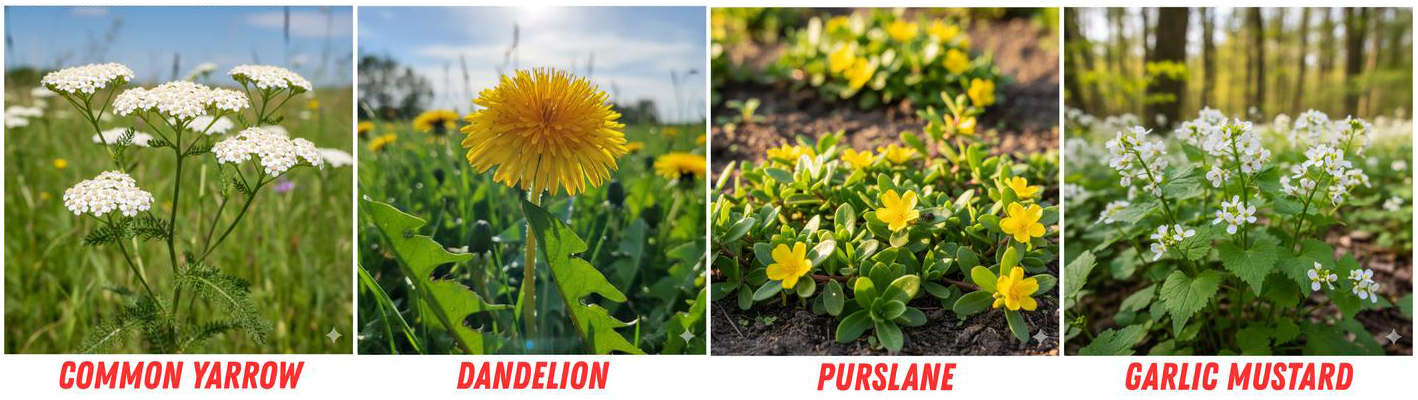
Many years ago when my mother (in her late 70s) would come to visit, I might ask her to help in the yard and no sooner would she say yes…she would immediately grab anything that wasn’t grass and pull it !! I didn’t know what herbs were at the time…so I thought nothing of that process. In recent years I have come to the knowledge many if not most of what we all consider “weeds” are in fact….HERBs. Most herbs are also medicinal so they have all sorts of benefit – internally and externally. Obviously, you have to do your research since some herbs can react in different ways, and some are OK consumed raw while others if eaten raw can make you sick or worst. My point is….KNOW what you are pulling or cutting before you do it. Once you start learning these herbs, you will recognize them as they come and go. Now, if I see something I want to keep and its growing in the wrong spot…I carefully move it to a pot or the herb beds.
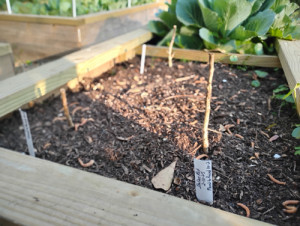
A big concept to learn EARLY in your gardening process is there is a whole world of biology and microscopic life working for you in the soil (if it has been undisturbed for years) and every time you disturb it, you upset the balance and network of that city of “connections”. This is a good reason to NOT upset the soil if possible or keep it to as little as possible. No tilling (unless absolutely necessary) and not pulling up the roots of your veggies when they are done. There are micro-organisms that you have been working for months and years to get working and thriving down below and if you go ripping the roots out of the raised beds, you just destroyed some of that. Best to just cut the base of the trunk, remove the stalk, branches, etc.. and leave the roots where they are. They will naturally decompose and help the next plants in the process.
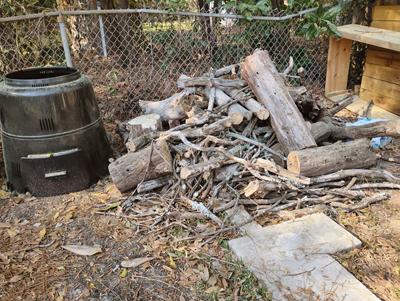
As you clean up the yard and property, you will find fallen branches and limbs and will also prune off older, dead or damaged limbs. Instead of discarding those you need to get in the habit of saving them for the compost bin. The smaller branches and limbs (2 in dia or smaller) I save for the gas powered chipper/shredder (which is one of my priority tools to have for the garden). The power shredder cuts the “debris” into smaller 1/4 inch size pieces to layer into the compost bins. You can also use these branches and even larger old, half rotten logs in a “Hugelkultur” method of placing organic matter below everything in the bed to provide moisture and nutrients as they decompose in the coming months and years.

Talking about SOIL ! When you buy soil, potting mix, compost from the big box store…
- You don’t know WHERE they got it
- You don’t know WHAT is in it
- You don’t know if there are things in it you wouldn’t want in there (chemicals, plastics, etc)
- You don’t know how long it was sitting in a HOT warehouse killing biology (yes you want biology).
You make your own, you KNOW what is in it !! Its also full of microbiology and worms !!
Your Content Goes Here
Your Content Goes Here
Your Content Goes Here
Your Content Goes Here
Your Content Goes Here